
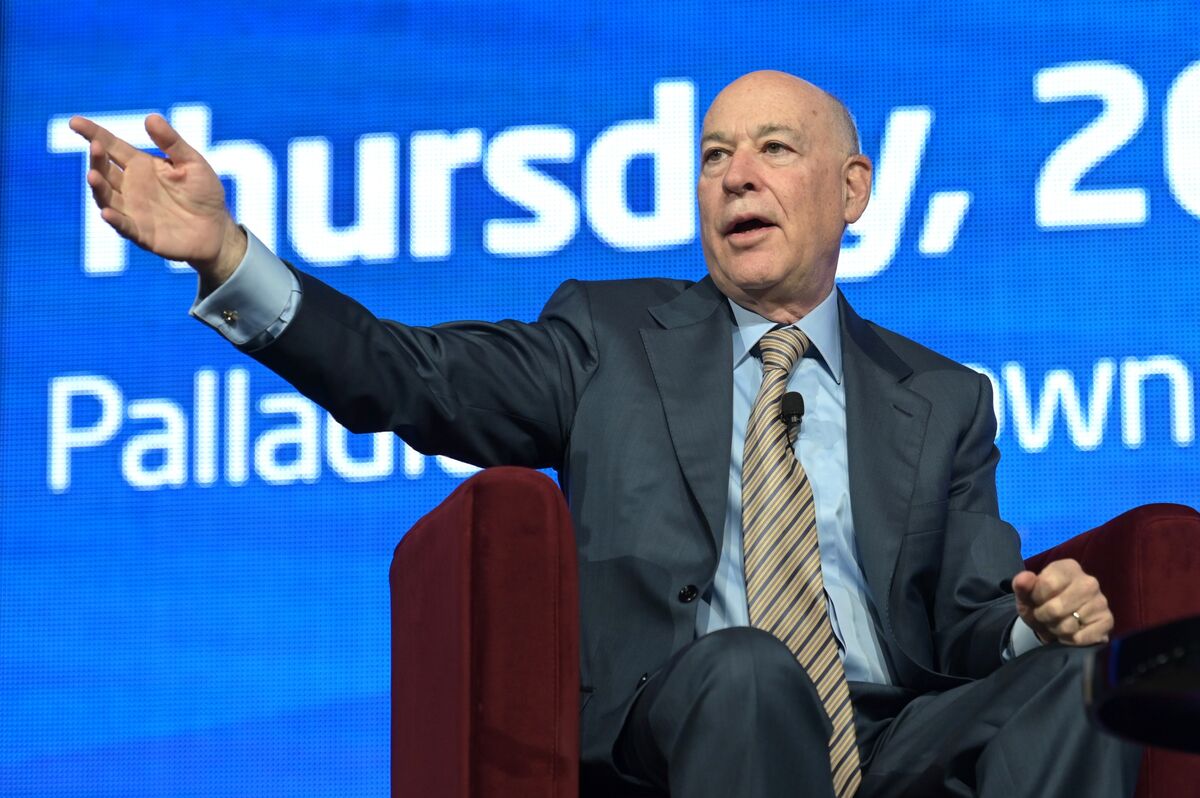
BlackRock Inc.'s President Rob Kapito has issued a stark warning to investors about the potential fallout from the Iran war, arguing that markets are failing to adequately price its risks. He asserts that the conflict could trigger unexpected volatility in global markets, dampen economic growth, and push inflation higher even if hostilities subside quickly. Kapito’s remarks, delivered during a Bloomberg Markets interview, suggest that geopolitical tensions are already influencing investor behavior, with asset allocations shifting toward defensive sectors. Market analysts note that this warning aligns with broader concerns about how unresolved Middle East instability might disrupt supply chains and energy prices, compounding existing macroeconomic pressures.
The Iran war risks highlighted by Kapito extend beyond immediate financial losses. Prolonged uncertainty could erode consumer confidence, delay infrastructure investments, and strain corporate earnings in energy-dependent industries. Business leaders in sectors like automotive and aviation are particularly vulnerable, as disruptions in oil flows might spike operational costs. Meanwhile, deal values in emerging markets—already tepid due to global rate hikes—could face further headwinds if inflation expectations rise. Kapito’s comments underscore the urgency for investors to stress-test portfolios against black swan scenarios, particularly in regions directly tied to the conflict.
BlackRock’s stance reflects a growing consensus among institutional investors that traditional risk models are inadequate for today’s fragmented geopolitical landscape. Companies with significant exposure to the Middle East, including energy firms and defense contractors, may face heightened scrutiny from institutional investors demanding clearer contingency plans. The firm’s warning also implies that market volatility could persist longer than anticipated, as central banks grapple with balancing growth support and inflation control. For now, Kapito’s remarks serve as a reminder that even contained conflicts can have cascading effects on global financial stability.
Investors must now weigh the likelihood of escalation against the potential for de-escalation, a balancing act complicated by opaque diplomatic negotiations. While time will tell whether the war’s economic impact materializes as feared, Kapito’s analysis highlights a critical blind spot in current market pricing mechanisms. The broader implication is that risk management frameworks may need urgent overhauls to account for non-linear, high-impact events in an increasingly interconnected world.
Source: Bloomberg Markets · Summarized by HeadlinesBriefing