
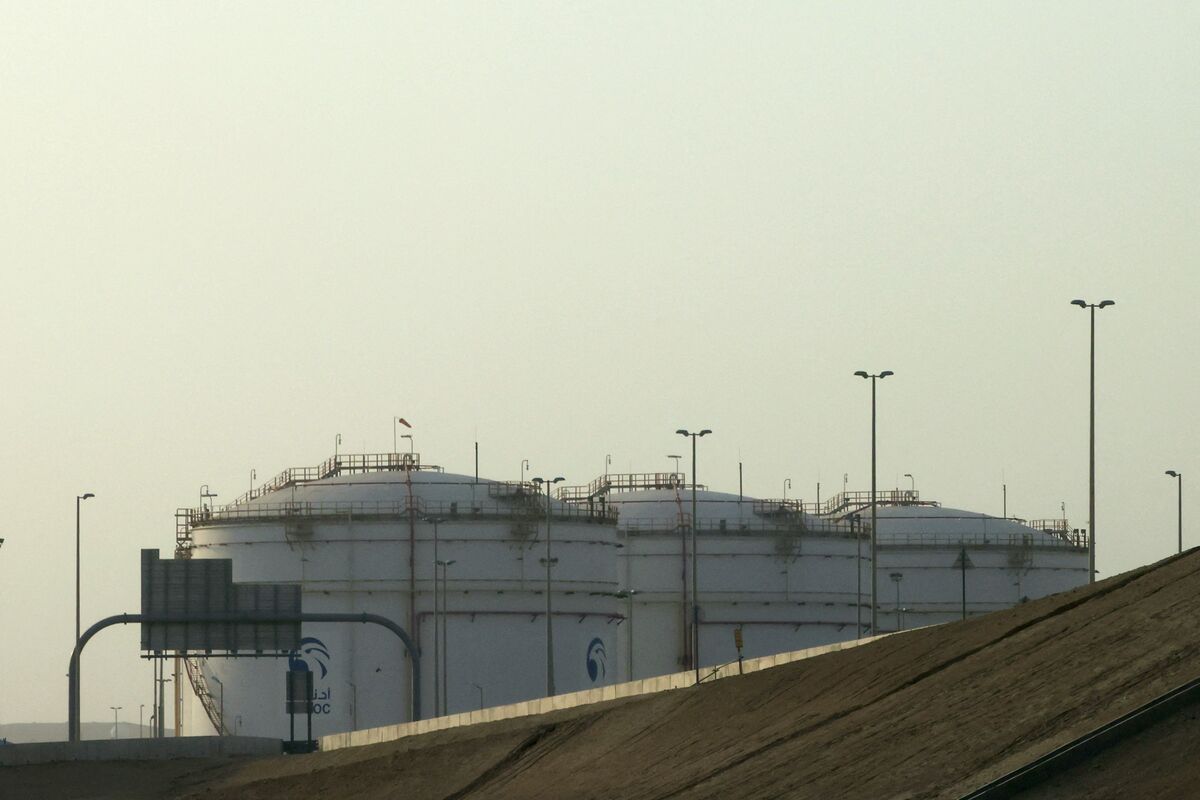
Asian refiners have reduced purchases of Middle Eastern crude after a three-week buying spree, signaling a shift in regional demand dynamics. The slowdown, reported by Bloomberg Markets, follows a period where refiners aggressively acquired surplus barrels, likely driven by seasonal needs or supply concerns. Oil majors and independent traders are now absorbing excess supply, which may stabilize short-term prices but raises questions about long-term demand resilience in Asia. This reversal contrasts with earlier aggressive acquisitions and could impact Middle Eastern exporters reliant on Asian markets.
The buying spree appears to have been fueled by temporary factors, though specifics remain unclear. Refiners in Asia—key consumers of Middle Eastern oil—may be adjusting to fluctuating feedstock costs or inventory management strategies. By stepping in, oil majors and traders are effectively redirecting surplus barrels, which could prevent price collapses but might also signal broader cooling in Asian refining activity. This development is notable because Middle Eastern crude accounts for a significant portion of Asia’s refining needs, and sustained demand drops could ripple through global supply chains. The shift also highlights the volatility of regional oil markets, where geopolitical tensions or economic slowdowns can quickly alter purchasing patterns.
The implications for Middle Eastern exporters are mixed. While reduced Asian demand might ease immediate pressure on production, it could also delay investments in capacity expansion. Oil majors and traders benefiting from the surplus absorption may see short-term gains, but the broader market could face tighter spreads if demand stabilization is temporary. Investors should monitor whether this slowdown reflects a structural decline in Asian refining activity or a cyclical adjustment. Without clearer data on the original buying spree’s drivers, the long-term impact remains uncertain. However, the current trend underscores the interconnectedness of global oil markets and the sensitivity of Middle Eastern producers to external demand shocks.
Source: Bloomberg Markets · Summarized by HeadlinesBriefing