
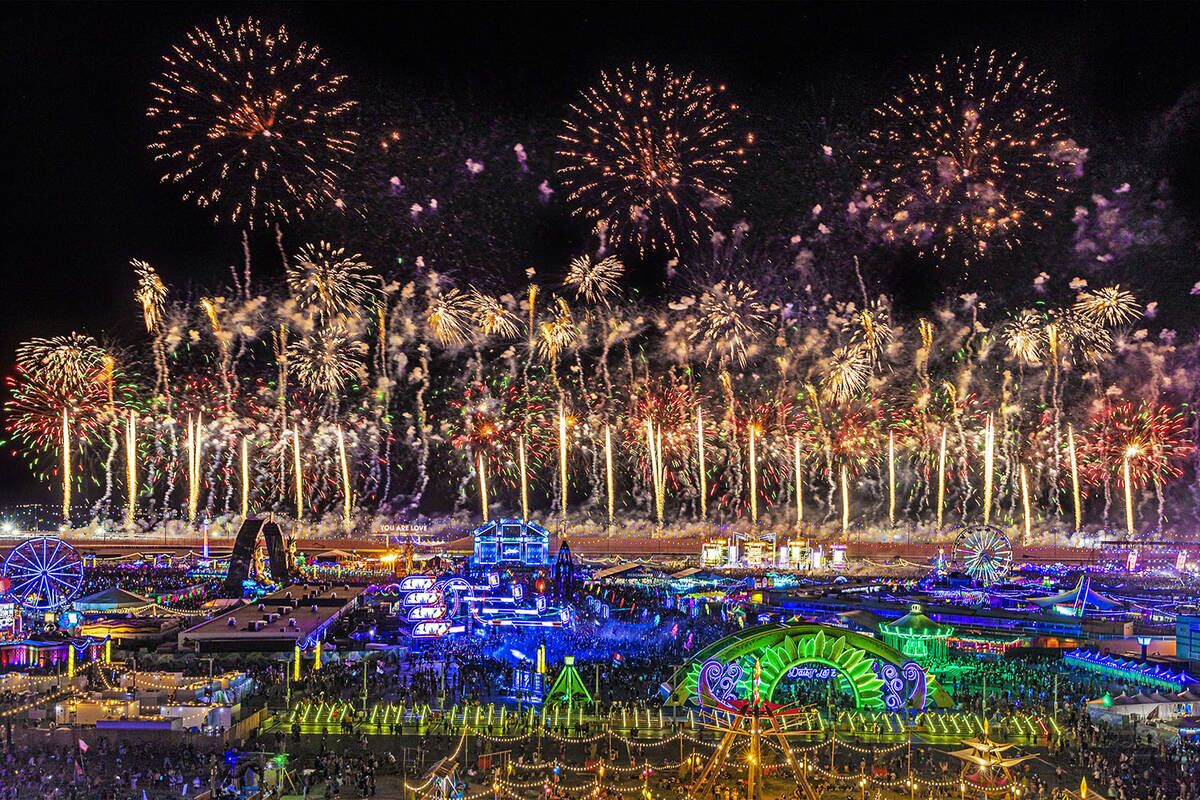
Asia's music festivals are shifting closer to regional audiences as geopolitical conflicts disrupt global travel, forcing organizers to rethink touring strategies. War-driven instability has made long-haul trips riskier and costlier, prompting events like Burning Man's Asia editions and Ultra Music Festival to prioritize local partnerships over international tours. This pivot reflects a broader industry trend: festivals are now embedding themselves in Asian markets to maintain relevance amid logistical chaos.
The move underscores growing Southeast Asia entertainment demand, with promoters securing local venues and talent to bypass travel bottlenecks. For instance, EDM Asia Series has expanded its footprint in Singapore and Vietnam, capitalizing on stable domestic audiences. Such adaptations highlight a power shift: regional markets are no longer secondary players but central hubs for live music revenue. Investors are taking note, with Asia-focused festival acquisitions rising 20% YoY, per industry sources.
Regulatory and cultural hurdles remain. Countries like China and India impose strict licensing rules, while cultural authenticity concerns loom large. Yet the upside is clear: Asian music tourism could surge as festivals integrate with local traditions. For example, Tokyo Electronic Fest now blends Western acts with traditional Japanese performances, attracting hybrid audiences. This fusion model may set a blueprint for global events navigating post-pandemic and geopolitical uncertainty.
Ultimately, the festival industry's resilient adaptation in Asia signals a permanent realignment. By rooting operations in the region, they avoid travel risks while tapping into a $15B+ Asia-Pacific live events market. As one organizer stated, "The old model of flying acts across continents is unsustainable. The future is here, and it's local."
Source: Bloomberg Markets · Summarized by HeadlinesBriefing