
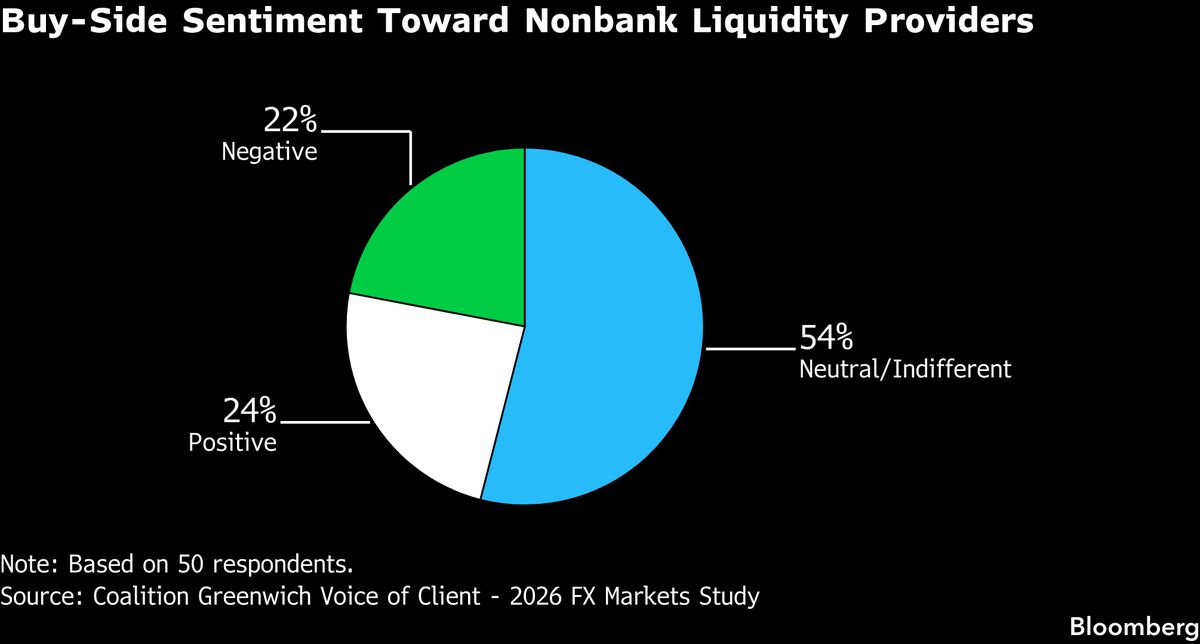
Buy-side desks lean harder on coded execution as $9.5 trillion-a-day foreign-exchange flows accelerate, pushing banks and independents into a contest over who controls pricing. Dealers once routed orders by phone or chat; now machines parse liquidity and slice risk with tighter tolerances. Pressure builds on margins as clients demand cheaper, faster access to global rates without human friction.
Years of electronic widening have primed asset managers and pension funds to trust algorithmic paths over dealer discretion, shrinking the role of traditional voice brokers. Algos dominate screen-based trading while legacy venues defend relationships built on credit and bespoke service. Fragmentation rises as venues compete for order flow that once stayed inside bank balance sheets, testing the value of brand loyalty versus mechanical precision.
Independent firms gain footholds by targeting cost-sensitive allocators who prize anonymity and speed over long-standing bank ties. Market structure tilts toward automation that treats currency as scalable data rather than bilateral risk, compressing spreads and redefining how buy-side investors secure cover. Liquidity pools deepen while dealer inventories thin, solidifying code as the primary interface for corporate and institutional FX execution.
Source: Bloomberg Markets · Summarized by HeadlinesBriefing