
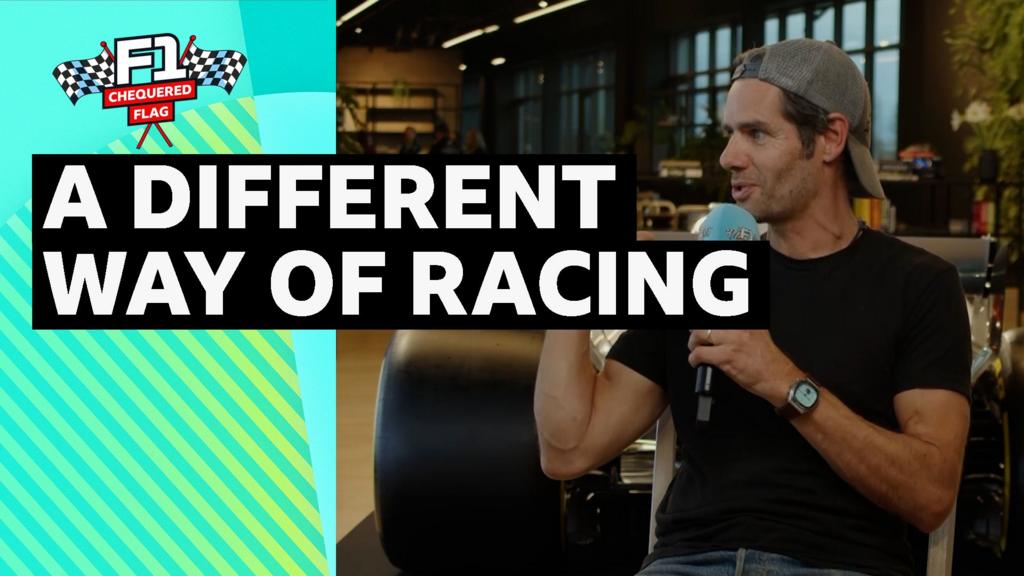
Former McLaren mechanic Marc Priestley explains the technical shifts in Formula 1 cars and engines for the 2023 season. The F1 cars now feature revised aerodynamic configurations and updated hybrid power units, aiming to balance performance and sustainability. These changes follow regulatory updates designed to enhance competitiveness among teams. While the hybrid engine efficiency has improved, Priestley notes that the aerodynamic adjustments will require teams to adapt their strategies. The F1 season will test how well drivers and engineers navigate these modifications, with implications for race outcomes and team standings.
The F1 cars’ new hybrid power units prioritize energy recovery systems, potentially boosting fuel efficiency. However, the aerodynamic changes may reduce downforce, affecting handling. Priestley emphasizes that teams must balance these trade-offs to maintain speed without compromising stability. The F1 season’s outcome could hinge on how quickly teams master these updates, as even minor adjustments could impact race results and championship battles.
The F1 cars’ design reflects a push for innovation while adhering to cost caps. The hybrid engine advancements align with the sport’s sustainability goals, but the aerodynamic tweaks might create new challenges. Priestley highlights that the F1 season will likely see a period of adjustment, with teams refining their setups. Fans can expect closer races as teams experiment with the new F1 cars, though the long-term impact on championship dynamics remains uncertain.
Marc Priestley’s insights underscore the technical complexity of the F1 cars’ 2023 updates. The hybrid power units and aerodynamic configurations represent a calculated gamble by regulators to revitalize the sport. While the F1 season’s early races will reveal the full effects of these changes, the new F1 cars could redefine how teams approach engine performance and aerodynamic design. The F1 season’s success will depend on how well drivers and engineers adapt to these evolving technical demands.
Source: BBC Sport · Summarized by HeadlinesBriefing