
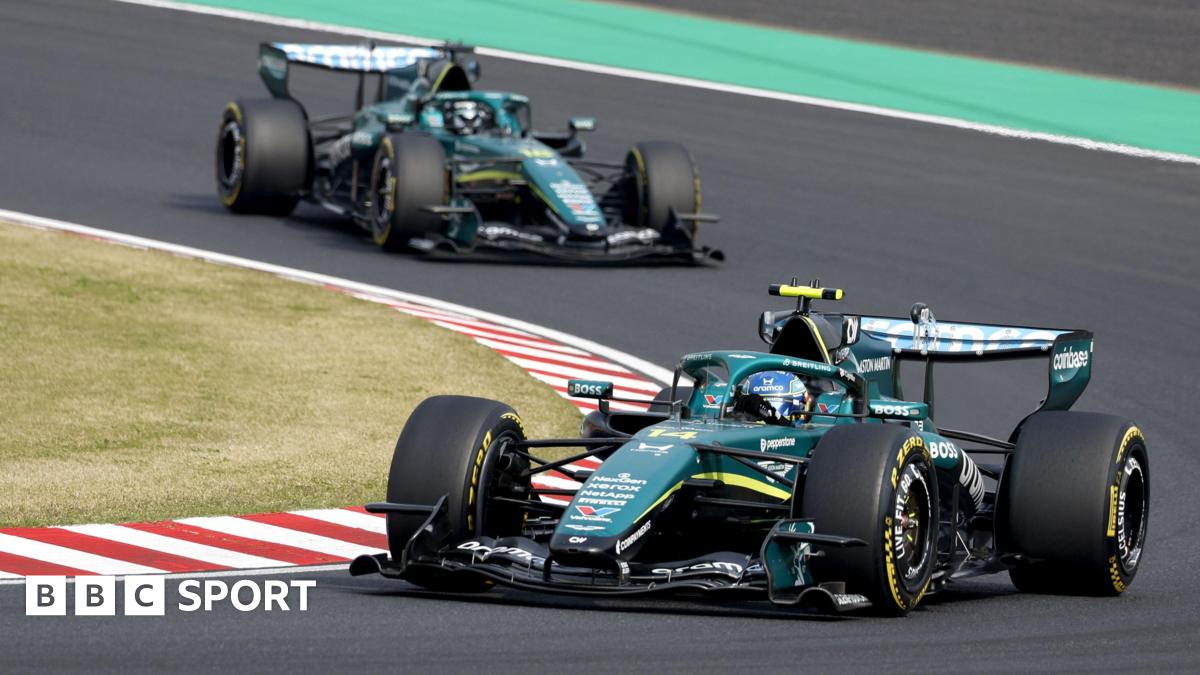
Andrew Benson dissected the Suzuka report, revealing that Aston Martin trails the front half its chassis, not just the Honda power unit. Senior engineers confirmed GPS data mirrored the deficit, showing the car lags by 3.6 seconds across early races. The issue splits between aerodynamics and engine integration, and the overall performance remains a significant challenge for the team.
Newey admitted the car is heavy and struggles in high‑speed corners, placing Aston Martin fifth best in chassis terms. With a Mercedes engine, the team could match Alpine or Haas. The delayed wind‑tunnel entry and compressed development cycle explain the current gap, underscoring the need for structural overhaul ahead of the season's championship battles that will follow.
The safety car debate sparked after Kimi Antonelli's pit stop. Mercedes argued it made no difference, citing Leclerc's Ferrari laps. Yet the incident allowed Antonelli to leap ahead, suggesting the safety car can shift race dynamics. Teams now question whether rule tweaks could balance fairness without disrupting strategy and maintain competitive integrity across the grid worldwide.
Meanwhile, McLaren’s collaboration with Mercedes has narrowed its engine gap, but the new power‑unit regulations still leave it behind the German works car. Upcoming upgrades in Miami and Canada aim to close this deficit. As the season progresses, chassis and engine parity will decide championship standings and fan engagement for the global audience worldwide.
Source: BBC Sport · Summarized by HeadlinesBriefing