
F1 is close to signing off on the broad tenets of its 2030 return to V8 power units, and some of its leading drivers have begun sketching out how to make the new cars a compelling product. The series is set to move to all-new turbo V8 engines in 2030, paired with a smaller electric unit of up to 200k W and sustainable fuel. The aim is engines that are simpler, cheaper and lighter, reducing reliance on battery energy compared with today's often-criticised formula. By signing off the V8 move at the FIA World Motor Sport Council in Shanghai on 12 December, F1 and the FIA will have time to flesh out the chassis and aerodynamic regulations that should work alongside the new power units.
Last weekend's Las Vegas Grand Prix offered food for thought. The street circuit produced an absorbing spectacle with a record 35 lead changes, aided by slipstreaming and boost mode, though much of the racing took the form of so-called yo-yo racing, with the leader often a sitting duck on the straight. Whether that is the show F1 wants more of remains debated, but it highlighted the importance of combining power unit parameters and aerodynamic overtaking aids that can be fine-tuned race to race.
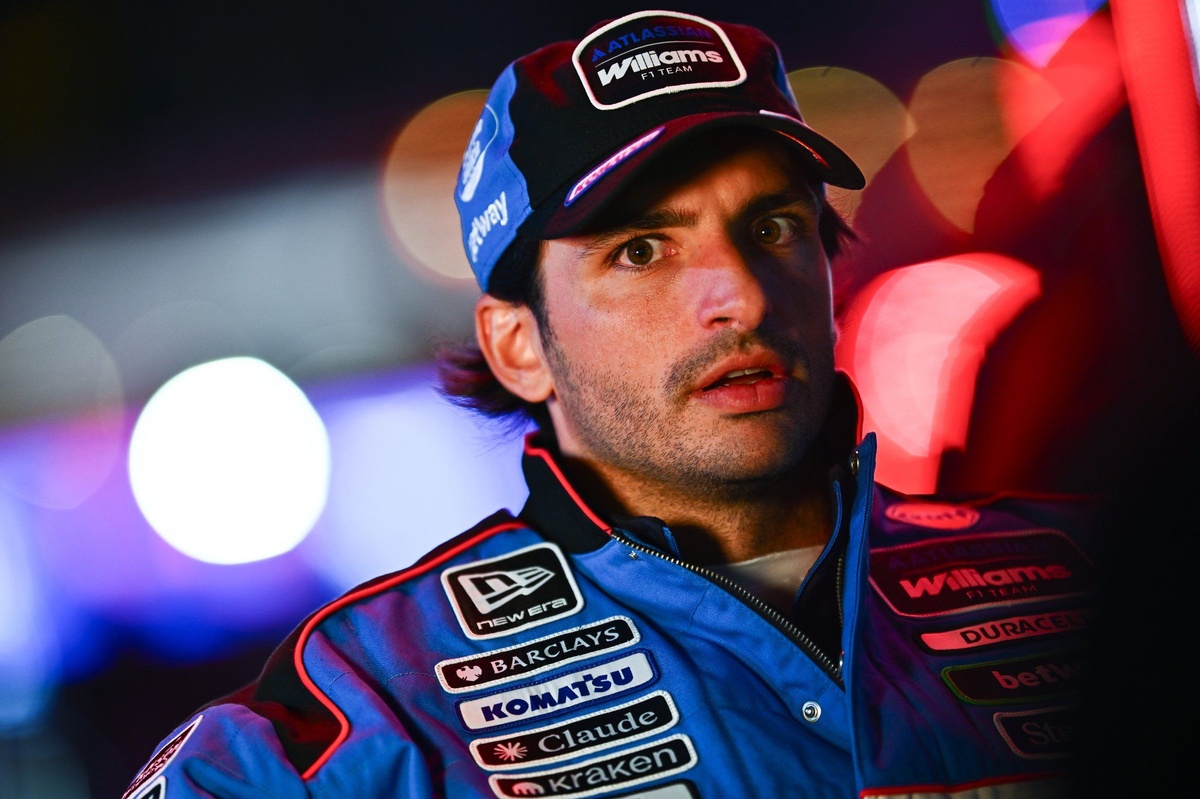
Williams driver and Grand Prix Drivers' Association director Carlos Sainz has proposed a DRS-like system for 2030 that would give a straightline boost to chasing drivers coming out of the corners, offsetting the loss of cornering speed in dirty air. Sainz argued that the boost should arrive exiting the corner rather than late on the straight, helping a chasing car close the gap and then use the slipstream and braking to make its own move. He said this would leave more of the overtake to driver skill.
Sainz also pointed to a flaw in the current DRS, where speed deltas of 30 km/h mean a car ahead is too scared to defend because the closing car arrives so quickly. He said his approach would reward drivers who earn the advantage through speed and by enduring dirty air. The current thinking is for the next power units to provide 100k W of electric energy in standard mode, with an additional 100k W of boost mode, for a total harvest of 200k W.
Source: Autosport F1 News · Summarized by HeadlinesBriefing