
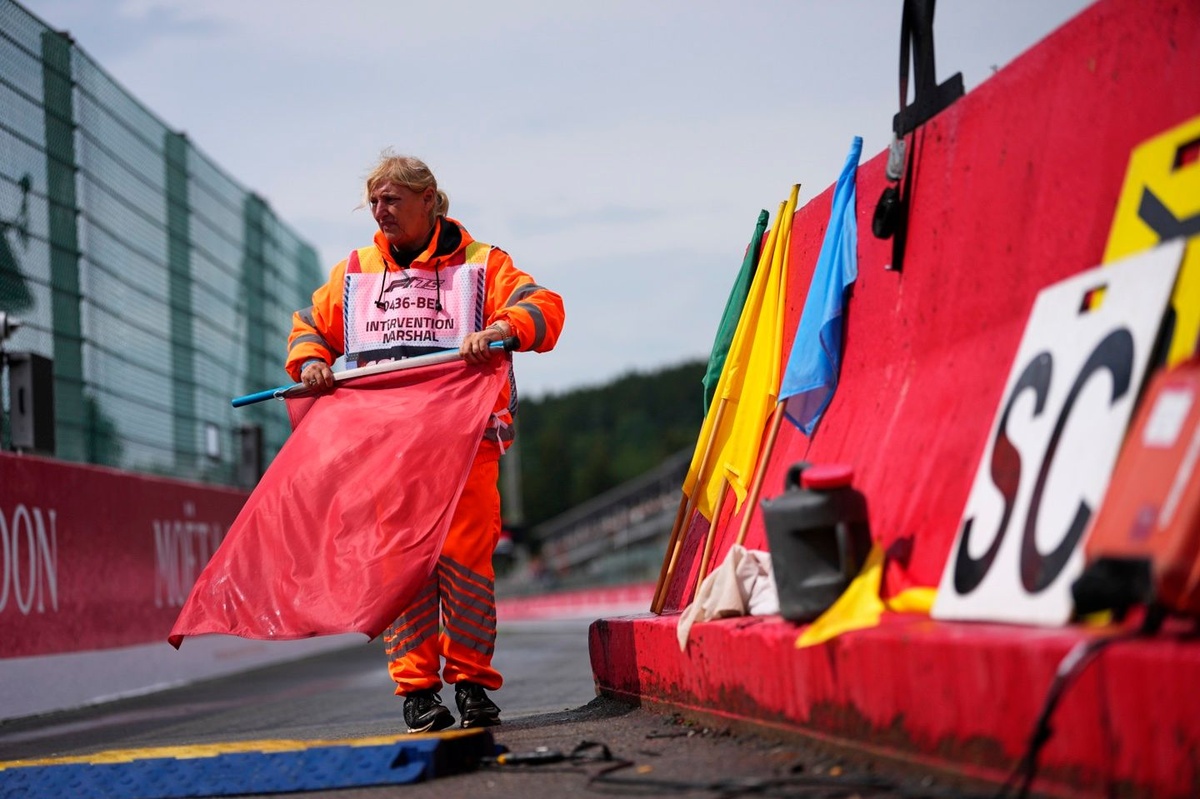
Formula 1 racing involves a complex system of flags to communicate with drivers. While all flags serve a purpose, some are used more frequently than others. For instance, the green flag signals the start of a race, indicating that the track is clear.
However, flags like the blue flag, which instructs slower cars to allow faster ones to pass, are used less often. This disparity in usage reflects the strategic and safety-oriented nature of Formula 1 racing. The varied use of flags can impact race strategies, as drivers must be prepared to react instantly to these signals. Race stewards and officials rely on these flags to maintain order and safety, making their proper understanding and usage crucial for all participants.
As Formula 1 continues to evolve, the significance of each flag remains a vital part of the sport's infrastructure, influencing how teams and drivers approach each race. The differentiation in flag usage highlights the dynamic and strategic elements of Formula 1. Teams must train their drivers to recognize and respond to these flags effectively, which can affect race outcomes.
This aspect of the sport also emphasizes the importance of clear communication between race officials and drivers, ensuring that safety and fairness are maintained throughout the event. The Formula 1 community, including drivers, teams, and fans, all benefit from this system, as it provides a standardized way to manage the complexities of high-speed racing. Understanding the least used flags can provide insights into the less common but equally critical situations in Formula 1 racing.
This knowledge can help teams prepare for various scenarios, enhancing their competitive edge. As the sport continues to grow, the role of flags in race management remains a fundamental aspect that all stakeholders must appreciate and respect.
Source: Autosport.com - Formula 1 - Stories · Summarized by HeadlinesBriefing