
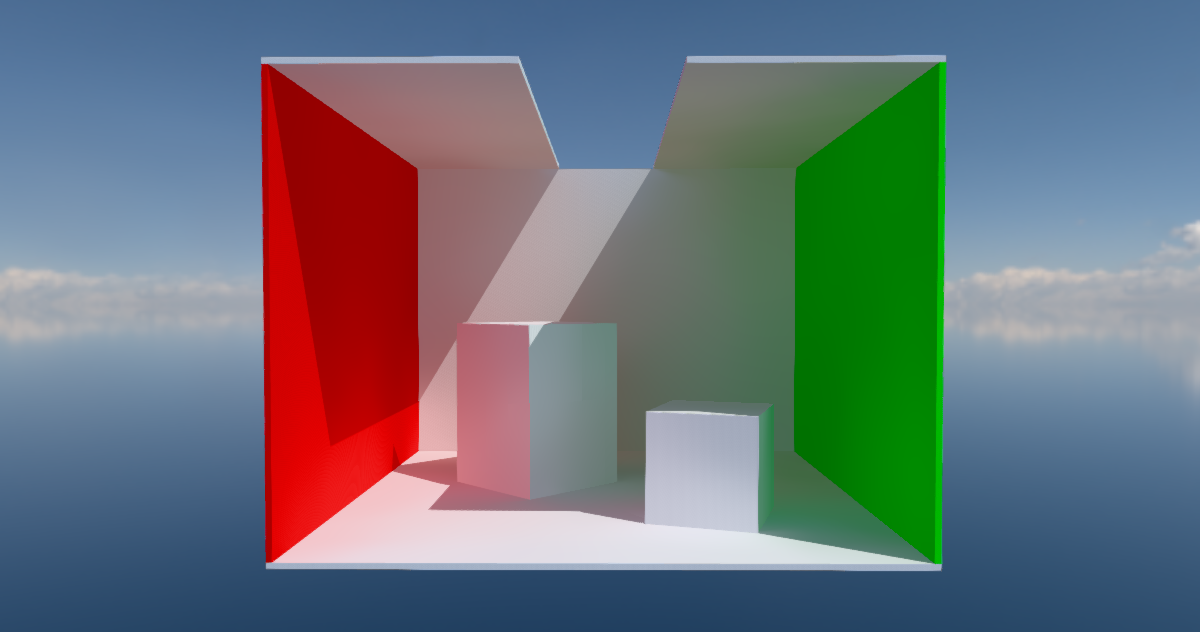
WebGPU could revolutionize browser-based rendering by enabling surfel-based global illumination, a technique that decouples lighting calculations from screen resolution. Researchers at EA's SEED division demonstrated this approach at SIGGRAPH 21, showing how flat disc-shaped surfel (surface element) patches can simulate complex light scattering in real time. Unlike traditional ray tracing, surfels allow dynamic indirect lighting without requiring high-end GPUs, making it potentially viable for web applications.
Surfels originated in a 2000 SIGGRAPH paper but gained renewed attention through a 2021 study titled "SurfelPlus". These geometric representations - defined by position, normal, and radius - approximate surfaces as light-affecting zones rather than pixel-level details. This approach reduces computational overhead while maintaining visual fidelity, particularly for diffuse reflections that artists like Leonardo da Vinci first systematically analyzed centuries ago.
The web's limitations have historically constrained rendering techniques, but surfel optimization could bridge this gap. By precomputing light interactions with these simplified geometry elements, developers might achieve real-time indirect lighting in browser-based applications without sacrificing quality. This matters because current web rendering relies on compromised methods like lightmaps or screen-space approximations that fail at complex geometries.
While still experimental, the SurfelPlus framework suggests a path toward high-fidelity web rendering. If successful, this could enable AAA-quality visual effects in browser games and 3D tools without requiring native clients. The challenge remains balancing performance across diverse hardware - a problem EA's team specifically targeted with their low-end GPU optimizations.
Source: Hacker News · Summarized by HeadlinesBriefing