
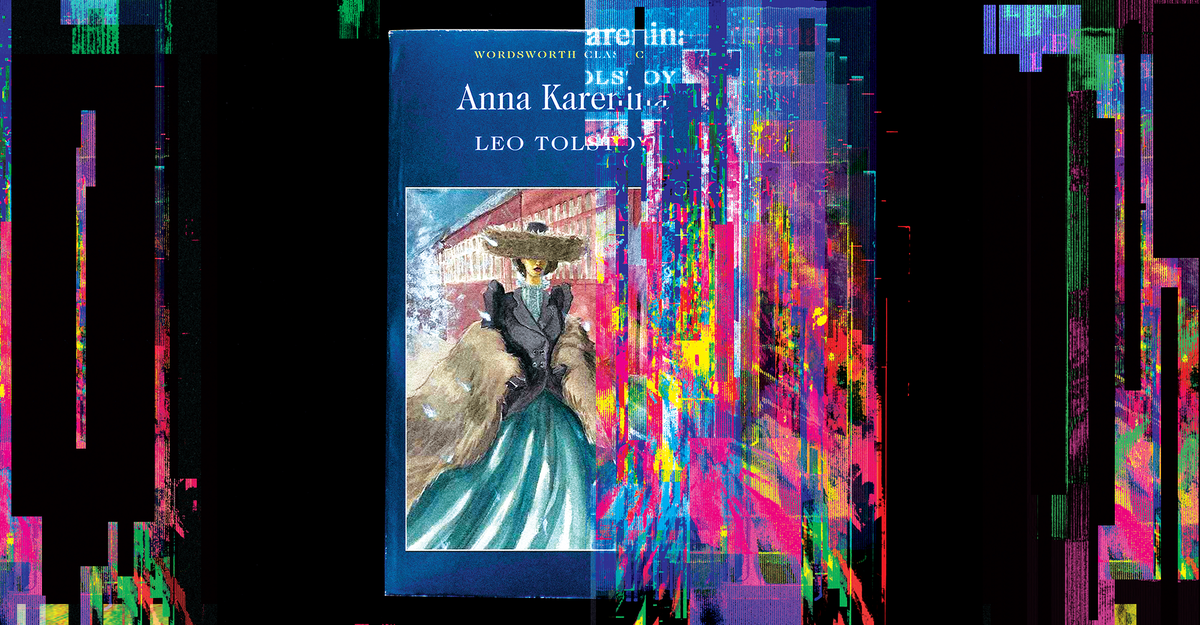
The concept of a universal repository of knowledge, exemplified by the ancient Library of Alexandria, faces a modern parallel in the ongoing decline of reading. Once a beacon of intellectual achievement, the Library's eventual demise stemmed not just from dramatic events like Julius Caesar's fire but from the immense, sustained effort required for preservation, suggesting a waning will to maintain knowledge. This echoes today, where less than half of American adults reported reading a book in 2022, a stark contrast to previous generations. The shift is evident in leisure activities; gambling now surpasses book reading, with only 57 percent of Americans placing a bet last year compared to the dwindling reading figures.
The erosion of reading habits spans demographics, affecting even traditionally avid readers like retirees, women, and college graduates. The complexity of literature also appears to be diminishing, with contemporary bestsellers featuring significantly shorter sentences than those from a century ago. For instance, Boris Pasternak's "Doctor Zhivago" from 1958 employed intricate prose, a style largely absent in recent top-selling novels like the young-adult focused "Sunrise on the Reaping." News consumption has similarly shifted, with a significant drop in daily newspaper readership among young adults, replaced by preference for audio or video formats on digital platforms.
This societal change is often labeled a literacy crisis, underscored by declining reading scores in fourth and eighth grades. Librarians report needing to acquire books catering to lower reading levels, including graphic novels and manga. National tests reveal a concerning proficiency gap, with a substantial portion of high school seniors struggling with complex analysis and inference. Adult literacy scores have also worsened, with nearly 30 percent unable to paraphrase or infer from multi-page texts. Despite this, individuals are exposed to more words than ever through digital communication, but this fragmented exposure comes at the cost of deep comprehension and synthesis, leading cognitive neuroscientists to suggest America is becoming 'postliterate.' The trend continues downward, with younger generations reading even less than their predecessors.
Source: Hacker News · Summarized by HeadlinesBriefing