
Early missions forced astronauts to rely on diet and drugs to avoid using cramped toilets. Frank Borman famously held out for nine days on Gemini 7, proving the limits of human tolerance in microgravity.
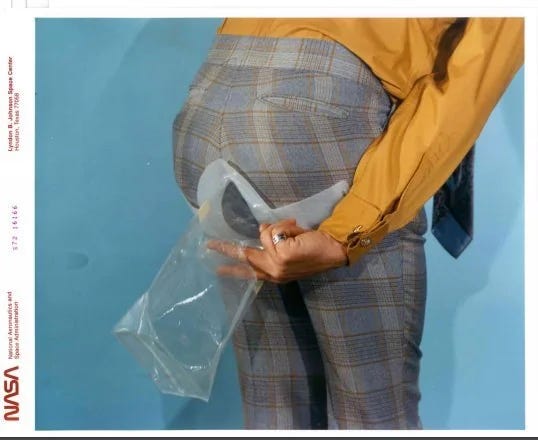
Apollo’s waste system was rudimentary, using vacuum‑sucked bags and antimicrobial powders. By Skylab, engineers mounted a vertical seat and added a urine freezer, a breakthrough that informed the Space Shuttle’s narrow‑airflow design.
The Shuttle’s toilet stored urine in tanks vented through a heated port; a failed heater on STS‑41‑D produced a frozen “urinecicle” that risked damaging the reentry heat shield. These incidents highlighted the need for robust odor control and reliable waste handling.
Modern capsules like Soyuz and Crew Dragon now carry sophisticated suction‑based toilets with handholds, thigh bars, and odor‑trapping filters. Engineers continue to refine airflow and storage to keep astronauts healthy and missions operational.
Source: Hacker News · Summarized by HeadlinesBriefing