
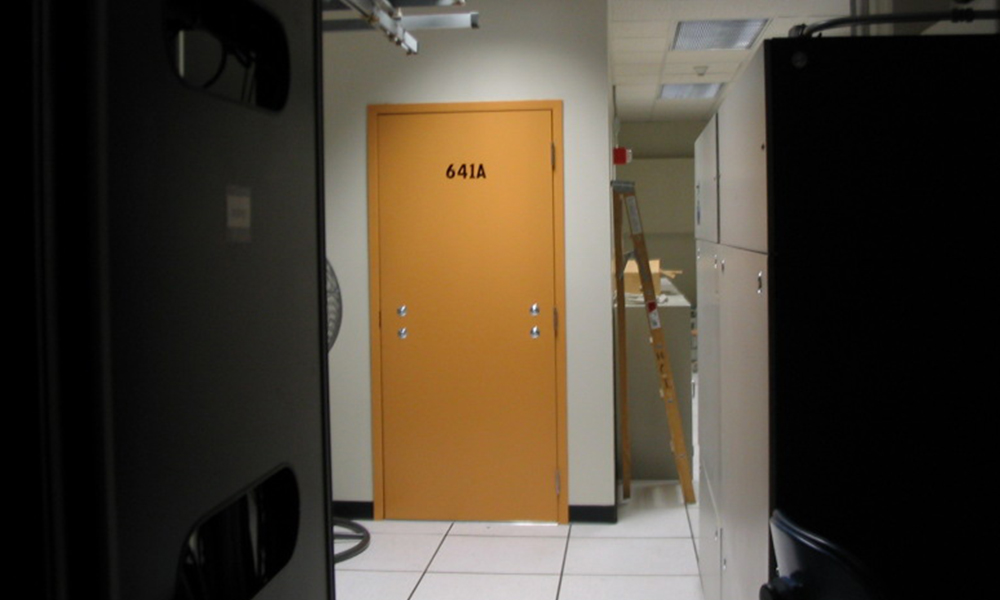
On January 20, 2006, Mark Klein, a former AT&T technician, revealed to the Electronic Frontier Foundation (EFF) that the NSA had secretly tapped into the company’s internet backbone at its Folsom Street building in San Francisco. Klein described Room 641A—a hidden chamber accessible only to NSA-cleared personnel—as the hub of this surveillance operation. The room intercepted data from AT&T’s fiber-optic cables, duplicating traffic to allow the NSA to monitor communications without slowing or logging activity. Klein’s evidence, including diagrams of splitter cabinets and cabling, confirmed decades of speculation about mass domestic spying.
The surveillance system, dubbed the ‘Big Brother machine,’ exploited a loophole in the Patriot Act. While the law authorized foreign intelligence gathering, Klein explained how the NSA redirected international data through U.S. soil to bypass legal restrictions. AT&T’s infrastructure, including the Folsom Street facility, became a conduit for this operation. Klein noted that the NSA’s splitters created mirrored data streams, enabling covert monitoring of both international and domestic traffic. His testimony marked the first public confirmation of the NSA’s large-scale, untargeted wiretapping.
Klein’s disclosure ignited legal battles and public outrage, forcing Congress to investigate the NSA’s activities. The EFF used his evidence to challenge the constitutionality of warrantless surveillance, arguing it violated the Fourth Amendment. The case underscored vulnerabilities in telecom infrastructure and the risks of unchecked government power. Klein’s account also highlighted the role of whistleblowers in exposing systemic overreach, influencing later reforms like the USA FREEDOM Act.
NSA wiretapping at AT&T’s Folsom Street building reshaped debates on privacy and security. Klein’s testimony remains a landmark in digital rights history, illustrating how technical infrastructure can enable mass surveillance. The story serves as a cautionary tale about corporate complicity and the need for transparency in government programs.
Source: Hacker News · Summarized by HeadlinesBriefing