
Nepal's $31M Fake Rescue Scam: Helicopters, Hospitals, and Insurance Fraud
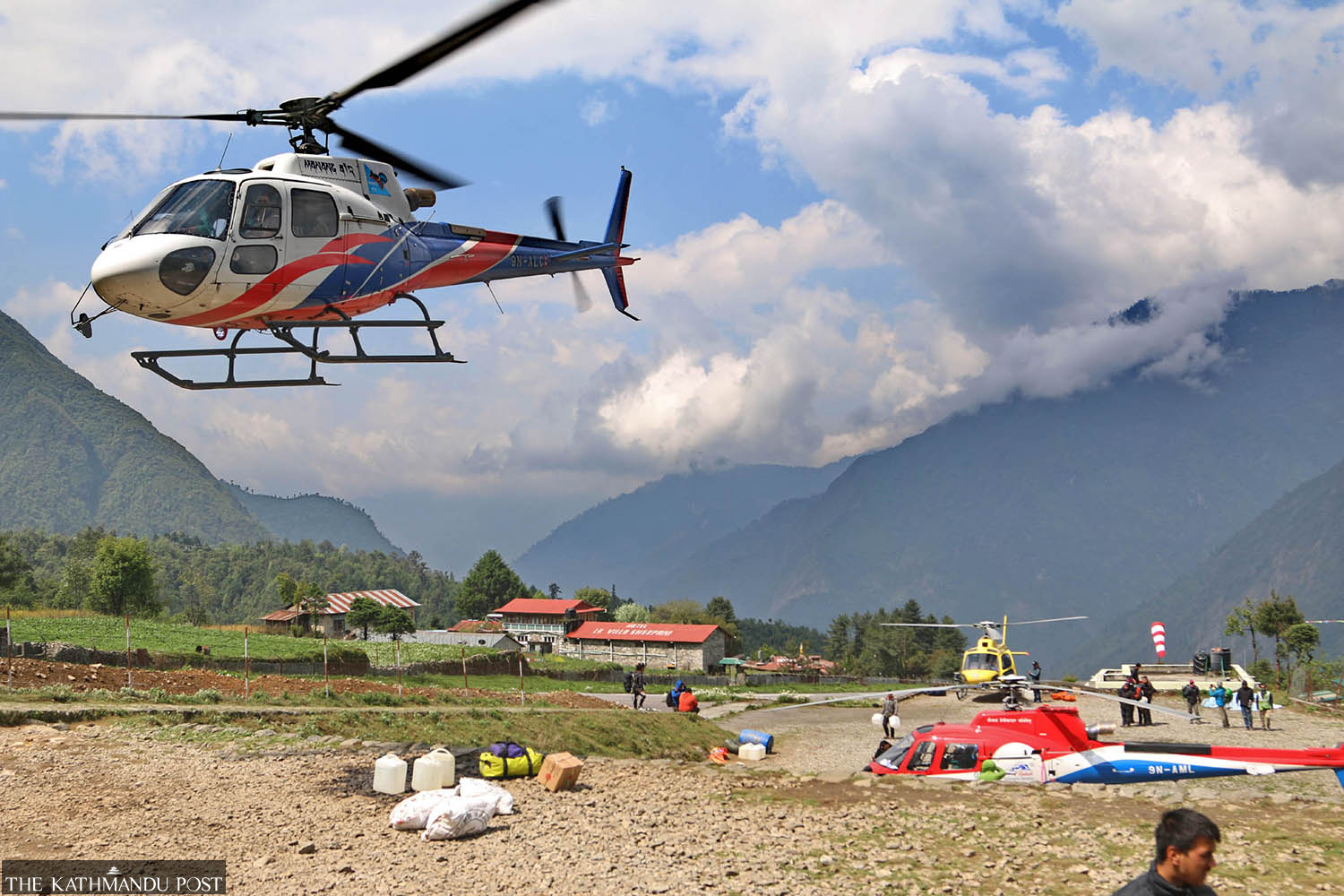
In Nepal, helicopter rescues for high-altitude trekkers have become a $31 million insurance fraud network. Exploiting remote conditions, scammers stage emergencies to inflate claims: a single $4,000 charter is billed as four separate rescues for $16,000. Guides bribe trekkers to fake altitude sickness, while hospitals like Shreedhi International Hospital fabricate medical records using forged doctor signatures. Between 2022-2025, 171 fake rescues involved operators like Mountain Rescue Service, which claimed $10.31 million from insurers despite conducting only 1,248 total flights.
The scheme thrives on opacity. At 3,000+ meters, mild altitude symptoms are common, but guides allegedly terrify tourists into panic, administering Diamox and water to induce severe reactions. In one case, baking powder was laced into food to simulate illness. Hospitals collude by issuing fake discharge summaries, while trekking companies split insurance payouts—20-25% each to hospitals and rescue firms. Era International Hospital received $15.87 million linked to fraud, per police records.
Reforms failed. A 2018 government probe uncovered the racket, recommending stricter oversight, but no changes were implemented. The 700-page report exposed collusion between 36 travel agencies, 10 helicopter firms, and six hospitals. Despite this, insurers in Australia and the UK remain unable to verify claims from Himalayan valleys, enabling continued abuse.
Not all victims are unwitting. Some trekkers, like a German woman double-billed for a rescue, complicitly participated. Others, including two Canadians, reported fake ICU admissions and inflated oxygen levels (50-51%). The scam persists due to lax enforcement, with officials like Dr. Girwan Raj Timilsina admitting hospitals paid commissions to operators. Without accountability, the racket will endure, endangering both trekkers and Nepal's reputation.