
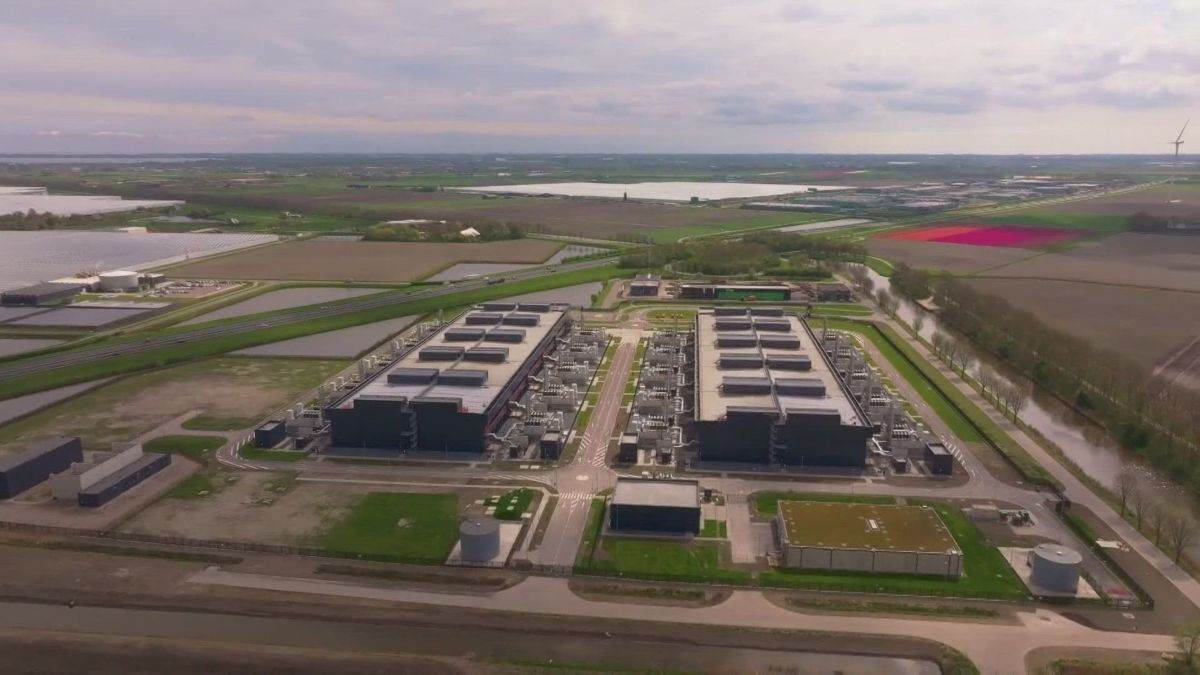
Democratic lawmakers in Maine have advanced a groundbreaking bill, LD 307, which would block permits for new data centers exceeding 20 megawatts of power until November 2027. The measure aims to address strain on the state’s aging electrical grid and soaring electricity costs, already among the nation’s highest. Developers argue the restrictions could hinder tech growth, while residents in towns like Wiscasset and Lewiston celebrate the move as a victory against unchecked expansion.
Gov. Janet Mills supports the temporary pause, allowing a new Data Center Coordination Council to study grid impacts. Critics, including developer Tony McDonald, call the policy "disastrous," claiming it unfairly targets tech projects. The bill reflects broader anxiety about AI’s infrastructure demands, which already consume 4% of U.S. electricity and could double by 2030. For Maine, where power bills burden households, the debate pits economic opportunity against sustainability concerns.
Maine’s precedent could inspire similar restrictions nationwide. Michigan and Indiana counties have already imposed local pauses, while cities from Denver to Detroit consider limits. The timing underscores a growing divide between Big Tech’s energy needs and state-level efforts to manage resources. Economist Anirban Basu dubbed Maine’s move a "canary in the coal mine," signaling potential pushback against tech giants’ expanding footprint.
The technical significance lies in how states grapple with balancing innovation and infrastructure limits. If enacted, LD 307 might force developers to rethink data center designs or relocate. For now, Mainers await the council’s findings, with opponents and advocates alike watching whether this becomes a national trend—or a cautionary tale.
Source: Hacker News · Summarized by HeadlinesBriefing