
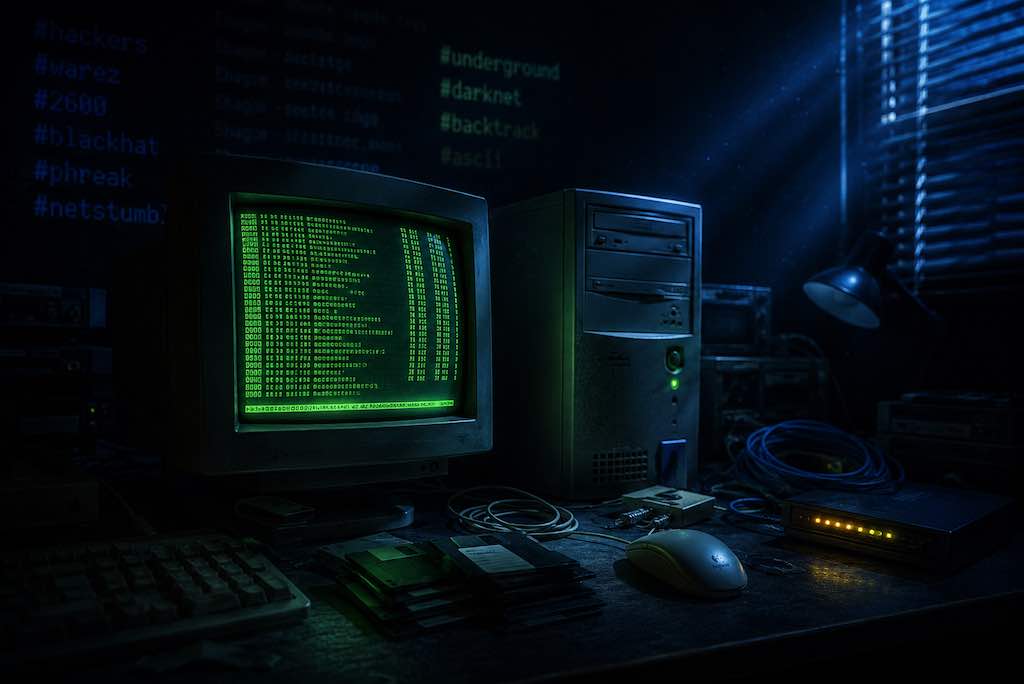
The late 1990s birthed a generation of Remote Administration Tools that challenged conventional security. Cult of the Dead Cow's Back Orifice (1998) and its successor BO2K demonstrated Windows vulnerabilities through simple, sub-100KB executables. Swedish programmer Carl-Fredrik Neikter's NetBus offered GUI-based control, while Romanian developer mobman's Sub7 became ubiquitous with its polished interface and ICQ integration. These tools blurred ethical lines while showcasing fundamental security flaws.
Below the RATs lay a foundation of tools still relevant today. Gordon Lyon's Nmap provided network visibility, while Netcat served as the "TCP/IP Swiss Army knife." Password crackers like John the Ripper and Windows utilities Cain & Abel covered reconnaissance and exploitation. Web scanners such as Whisker and Nikto targeted unpatched CGI vulnerabilities. The ecosystem operated on the assumption that targets rarely updated systems, reflecting the patch management reality of 2001.
Internet Relay Chat channels like #hack and #sub7 on networks EFnet and DALnet served as both social hubs and command centers. Sub7's integration with IRC created an elegant, untraceable C2 infrastructure where compromised machines operated as chat bots. This architectural innovation preceded modern threat actors using legitimate cloud services. The chaotic, toxic environment also functioned as an apprenticeship space for many now-respected security professionals.
Source: Hacker News · Summarized by HeadlinesBriefing