
First paragraph (55-75 words)
The author, creator of Bingo Card Creator, ended a three-year romance with desktop software after migrating to a web version. Despite desktop apps having three years of improvements, the web iteration outperformed it in every metric. Google AdWords campaigns revealed stark differences: desktop conversions hovered at 1.35% versus 2.32% for web apps, with cost per acquisition plummeting from $20 to $9. The web version’s frictionless trial process eliminated installation hurdles, registration key confusion, and outdated software versions that plagued the desktop model.
Second paragraph (55-75 words)
The web app’s dominance stems from its streamlined user journey. Desktop users faced 17 potential failure points—from downloading executables to navigating installation wizards—while web apps required zero downloads or contextual switches. Support requests dropped from 15 per 50 customers to just 3, thanks to automated account-based licensing and immediate access via browsers. This technical simplicity reduced customer friction while maintaining feature parity, despite the web version’s shorter development timeline.
Third paragraph (55-75 words)
The business impact is undeniable. With AdWords costs halved, the author now dominates competitors targeting generic keywords like “bingo cards,” previously unaffordable due to high CPA. By reallocating savings toward premium ad placements, the web app strategy enables scalable growth. The author concludes: “If I were starting today, I’d build a web app without hesitation.” This pragmatic pivot underscores a broader industry truth—developer experience and user acquisition economics now favor browser-based solutions over traditional desktop software.
Fourth paragraph (55-75 words)
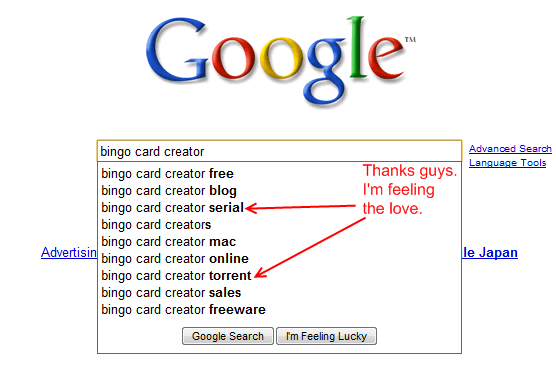
The shift extends beyond Bingo Card Creator. Web apps inherently avoid piracy risks, as browsers lack executable files for distribution. This aligns with the author’s philosophy of prioritizing paying customers over anti-theft measures. As web technologies mature, the economic calculus for indie developers becomes clear: higher conversion rates, lower infrastructure costs, and reduced support burdens make web apps the undisputed future of software distribution.
Source: Hacker News · Summarized by HeadlinesBriefing