
Apollo Guidance Computer (AGC) engineers recently uncovered a 57-year-old bug in the guidance system code that could have endangered Apollo 11's lunar mission. Using Allium, an open-source behavioral specification tool, researchers identified a resource lock in the gyroscope control subsystem that silently disabled critical functions during error conditions. The flaw, found in the LGYRO lock mechanism, prevents gyroscope realignment after emergency shutdowns—a failure mode that could have stranded astronaut Michael Collins in lunar orbit. Margaret Hamilton's team at MIT originally programmed the AGC, pioneering concepts like priority scheduling that saved Apollo 11 from the 1202 alarms during descent.
This defect mirrors the phase drift issue in the rendezvous radar system, which consumed 13% of the computer's capacity during landing. The discovery highlights how even rigorously tested systems may harbor hidden flaws in error-handling logic. The Virtual AGC project confirmed the bug through emulation, validating the 130,000-line codebase's transcription from core rope memory.
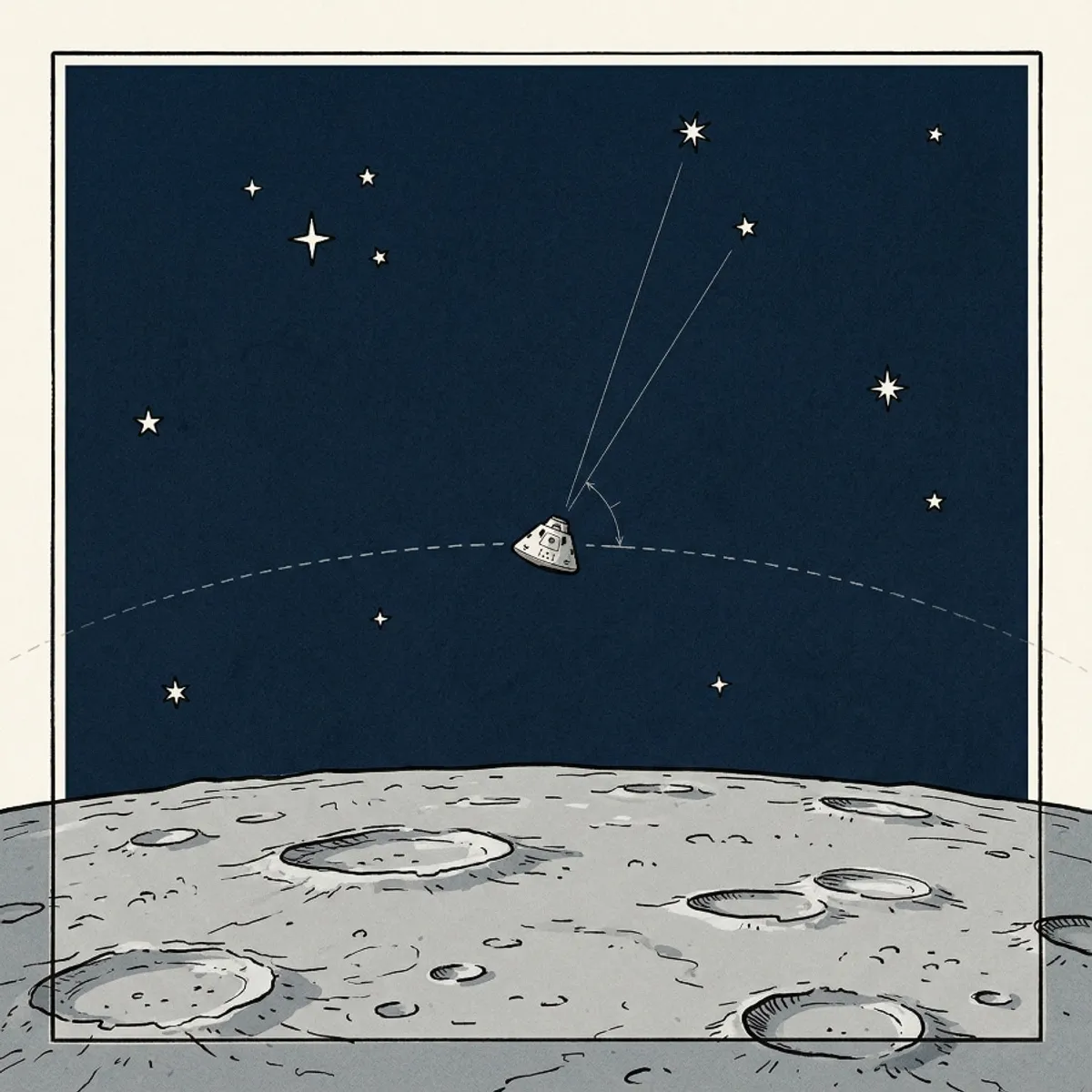
Collins' star-sighting alignment program (P52) would have hung indefinitely if the bug manifested during his solo lunar orbit phase, risking mission abort. NASA's software engineering legacy continues to inform modern safety-critical systems design.
Source: Hacker News · Summarized by HeadlinesBriefing