
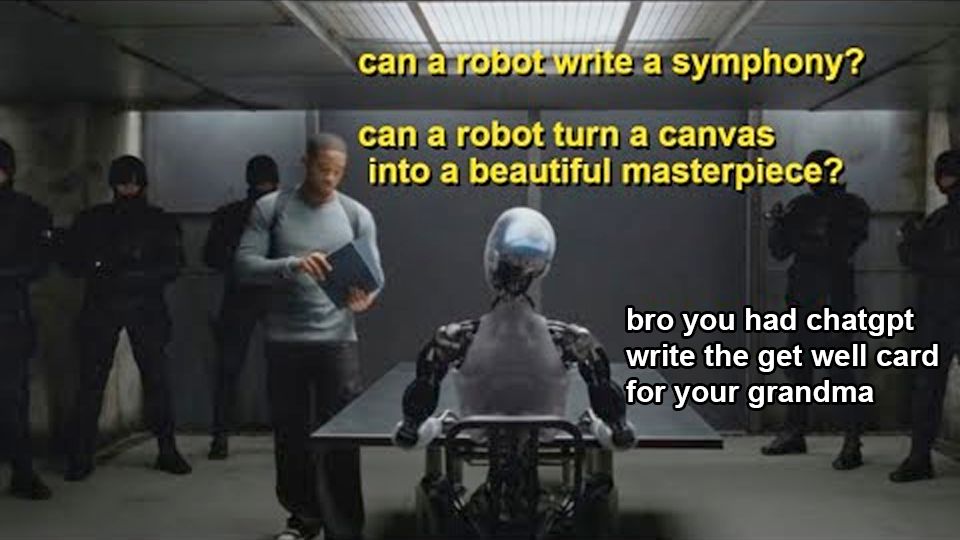
The rise of AI-generated software raises troubling questions about quality and craftsmanship in the tech industry. As AI models approach 90% completion for complex tasks like web browsers and compilers, developers face a disturbing reality: most users might not care about that final 10%. This 'good enough to ship' mentality threatens to normalize mediocre software across the industry.
Unlike physical products where poor quality becomes immediately apparent, software slop can masquerade as functional until users encounter edge cases. The author draws a stark comparison: while IKEA furniture represents mass-market compromise, AI-generated software could be far worse - creating a world where even IKEA seems aspirational. This 'software temufication' represents a degradation beyond simple commoditization, as AI tools push developers toward median solutions using popular stacks like Next.js, React, and Tailwind.
The democratization of development through AI tools like ChatGPT was supposed to bridge the gap between users and creators, similar to how HyperCard once empowered non-programmers. Yet the author questions whether this vision is realistic. Most users might simply want 'a glorified little TV in their pocket' rather than engaging with technology's deeper possibilities. The fear is that artisan development will disappear not because AI can't produce quality work, but because nobody will value or pay for it.
This isn't merely about AI capabilities - it's about human incentives and values. When speed and volume trump quality, when Google clones and kills innovative apps, when users accept broken interfaces without complaint, the craft of software development faces existential threat. The author worries we're heading toward a future where 'good enough' truly is good enough for most people, leaving no one to mourn the loss of genuine craftsmanship.
Source: Hacker News: Front Page · Summarized by HeadlinesBriefing